
What happens to matter when you heat it to more than a trillion degrees? Physicists are exploring the properties of an exotic form of matter, known as a quark-gluon plasma, that only exists at such extreme temperatures. In the first few microseconds (that is, a few millionths of a second) after the Big Bang, the universe was thought to be composed entirely of such quark-gluon plasmas and, by re-creating them in the lab today, we are exploring what they can tell us about the one fundamental force, the strong nuclear force, of the universe.
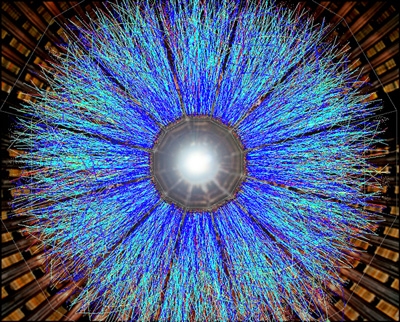
Our speaker, Professor Jinfeng Liao, is a theoretical nuclear physicist exploring the forms of matter under extreme conditions: extremely hot, extremely dense, and extremely strongly interacting forms of matter at the Center for Exploration of Energy and Matter(CEEM) of IU Bloomington
Several things are different from our usual meetings:
1) We’re starting at 7pm
2) We’re on the 3rd Thursday
3) We’re at Hopscotch on Morton & Dodds
4) Hopscotch doesn’t have much food, which is why we’re beginning at 7pm (They do have great coffee, tea, beer, and pastries all the time.)
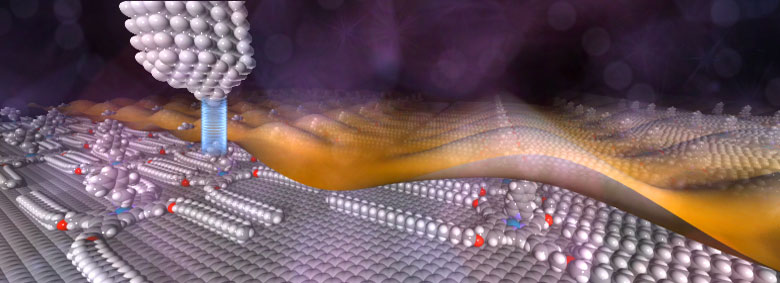

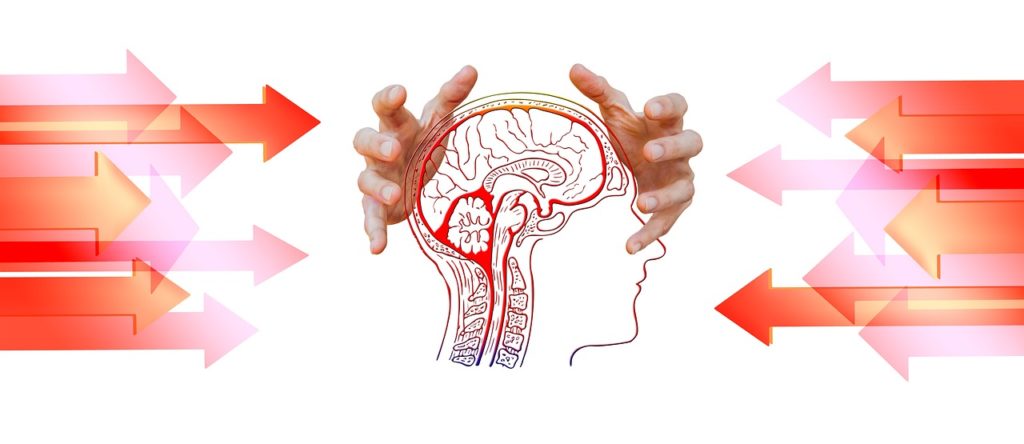
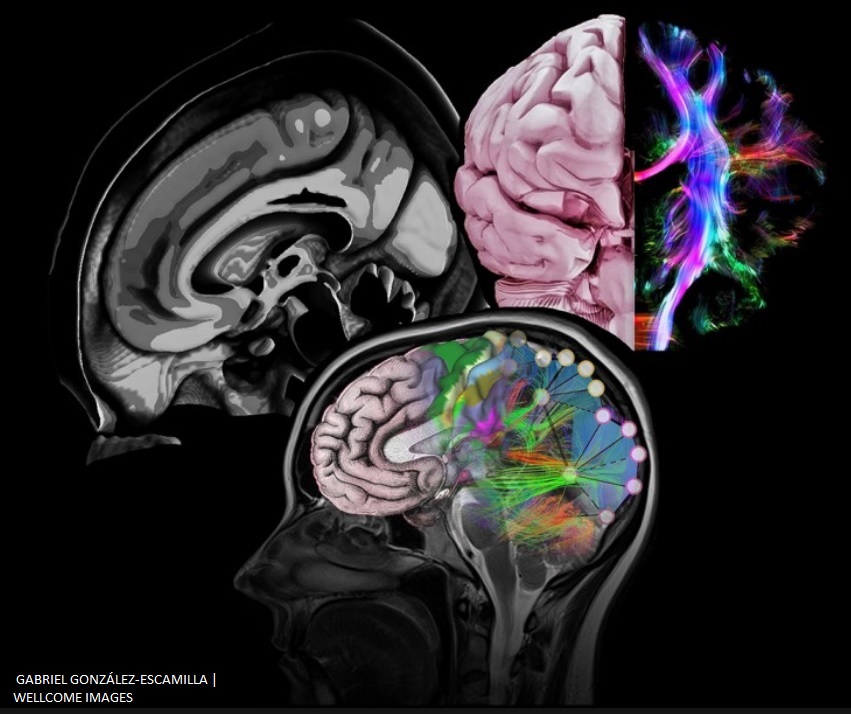 Huntington’s disease, a fatal neurodegenerative condition that strikes in the prime of life, is caused by a single gene defect. The mutant gene was identified in 1993 but hope for a cure was far from assured as subsequent research revealed an amazingly complex role for this gene in brain function. Now, a positive phase I clinical trial and a $45 million bet from Roche suggests a reason for optimism. And if the therapy works for HD patients could a similar approach work for other neurodegenerative conditions?
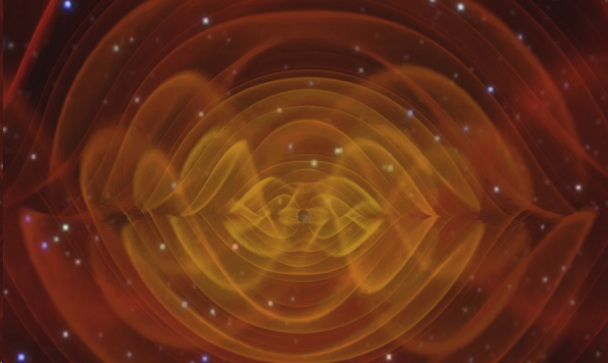 Already the information from the violent events which makes these waves is giving us new insights into physics and astronomy. Michael Snow will explain what a gravitational wave is, describe how they are detected, and report on the latest news: the discovery of where the heavy chemical elements in the universe are made.
 Cannabidiol (aka CBD) is a compound isolate
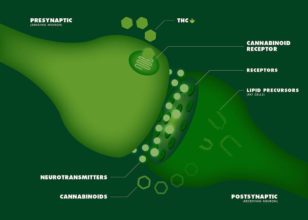 Join us for this talk by Neurobiochemist Heather Bradshaw, PhD.