Science Cafe, February 24, 2026: Sleep

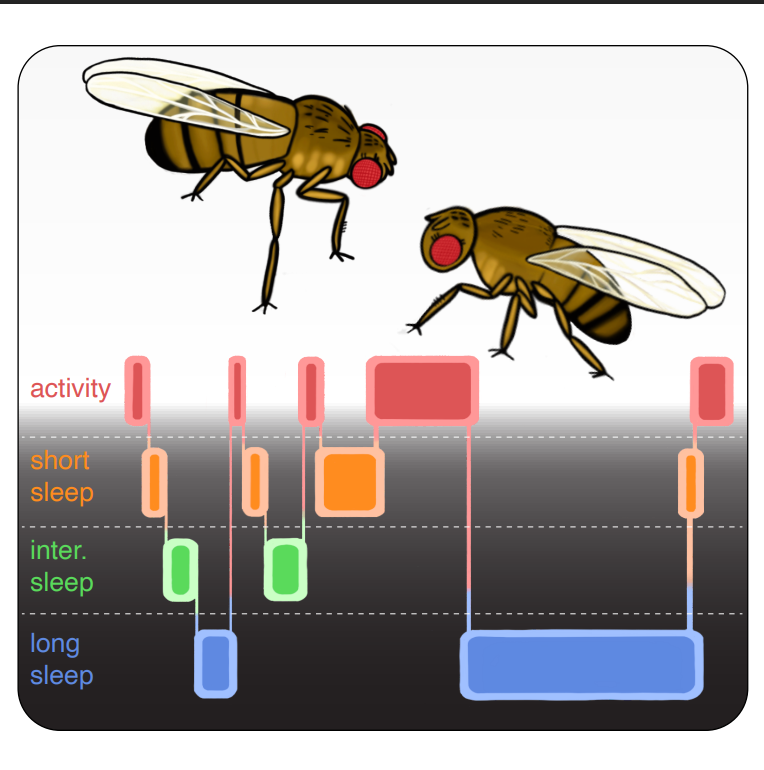
with Abhilash Lakshman, PhD, Shafer Lab

With every rotation of the earth, we cycle from the “unrecorded fantasies of solitary dreaming, to the collective fantasy of daily social and commercial life.”
 
What determines when and how much we sleep?  How does light influence sleep timing and levels?
 
Join us as we talk about how tiny insects help us answer these questions.

Science Café, October 16, 2024: Sugar

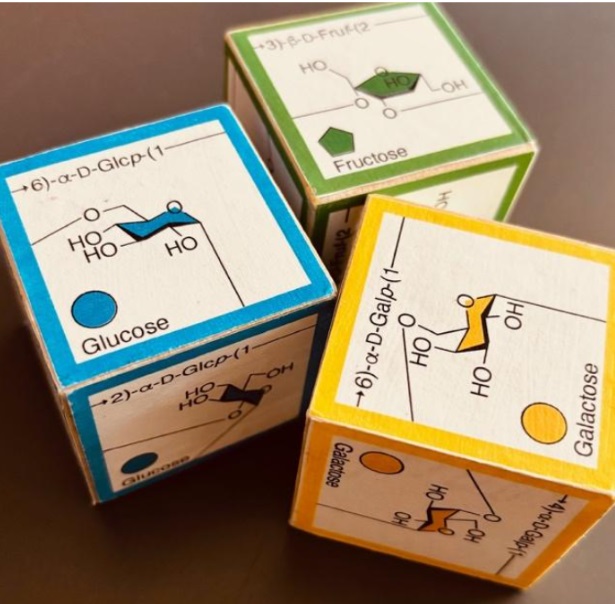
Is every sugar sweet?

Come learn about the varied roles of carbohydrates (from apple cider to blood typing to microbiome modulator) and find out how Professor Nicola Pohl’s lab at IU is working to expand our knowledge by creating automated ways to assemble and analyze complex sugars..

Science Cafe, September 25, 2024: Pheromones

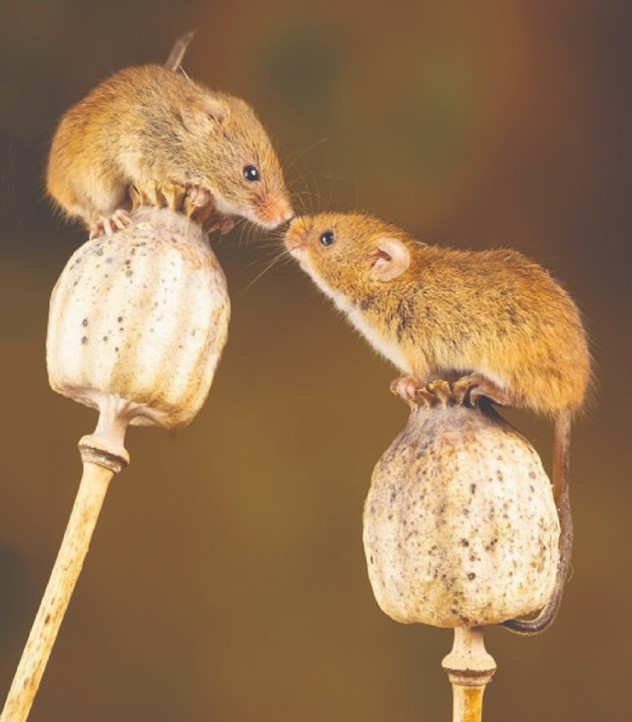
Many animals make use of pheromones to communicate a wide range of information such as their identity, emotional state, mating status and much more. 

Join Alex Straiker and Natalia Murataeva for a survey of pheromones including some of their own work in mice.

Science Café, Wednesday August 21, 2024: New Species

How Do New Species Form?

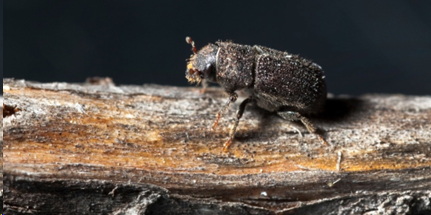
One out of four animal species on earth is a beetle. Why are there so many species of beetle?

In this talk, Ryan Bracewell will explain how tiny tree killing beetles are helping us understand the forces that drive species diversity by describing how sex chromosomes and bizarre beetle/fungus partnerships aid in the process of diversification.

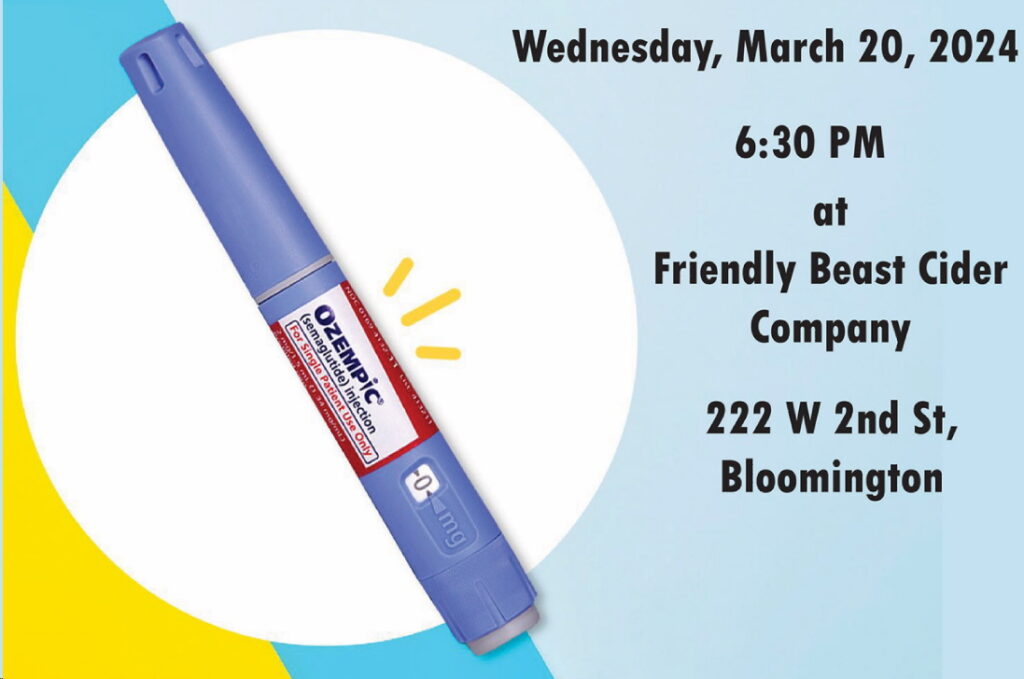
Science Cafe, March 20, 2024: The Way to Ozempic

Our quest for weight-reducing prescription drugs

our quest for weight-reducing prescription drugs

We humans are more susceptible to obesity than any other mammal. While this trait served a vital purpose in pre-agricultural times, it has evolved into a significant public health issue in modern societies. Developing pharmacological therapies for obesity has been a formidable challenge, marked by numerous ineffective and sometimes hazardous interventions. However, Ozempic, a pioneering drug belonging to the GLP-1 agonist class, has recently emerged as a safe and effective approach to weight reduction. In this science café discussion, we’ll delve into why Ozempic works, how Ozempic works, and whether it lives up to the unprecedented hype.

Dr. Gergö Szanda is our presenter this month.  Dr. Szanda is a Gill Center Research Scientist

November 20th: The Universe of Protein Science

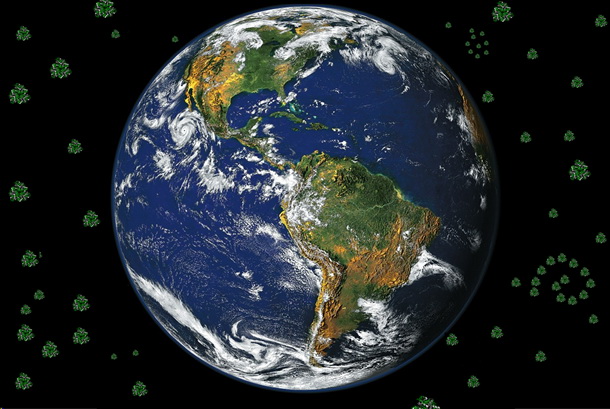
Planet of Proteins

“How Structure Biology Aids to Visualize the Molecules of Life”

Have you ever wondered what makes our planet look green from space? Have you ever wondered how our cells generate the power we need to function and live? Have you ever wondered how our cells communicate with the outside world? Have you ever wondered what is responsible for how we experience ourselves and the world around us?

Join Dr Susanne Ressl on a fascinating journey through highlights from structure biology and how this particular field helped to understand how molecular machines (proteins) work.

Several things to note:
1) We’re starting at 7pm
2) We’re on the 3rd Wednesday
3) We’re at Hopscotch on Morton & Dodds
4) Hopscotch doesn’t have much food, which is why we’re beginning at 7pm (They do have great coffee, tea, beer, and pastries all the time.)

Wednesday, June 19th: The Pharmacology of Capital Punishment

Regardless of one’s position on capital punishment, nearly all people agree that the method should be humane. This was the rationale for the embrace of lethal injection in the 1980s but has proven problematic, with ‘botch’ rates now much higher than for other methods. Much of this comes down to the pharmacology of the drugs used and problems with their administration.

Dr. Alex Straiker will talk about the history and pharmacology of lethal injections in the US.

Four things are different from our usual meetings:
1) We’re starting at 7pm
2) We’re at Hopscotch on Morton & Dodds
3) Hopscotch doesn’t traditionally have food, though they’re working on that and we’ll update this event as more information becomes available They do have coffee, tea, beer, and pastries all the time.
4) We’re on the 3rd, rather than 4th Wednesday, so as not to conflict with Green Drinks

Wednesday, February 20th: Molecular Machines

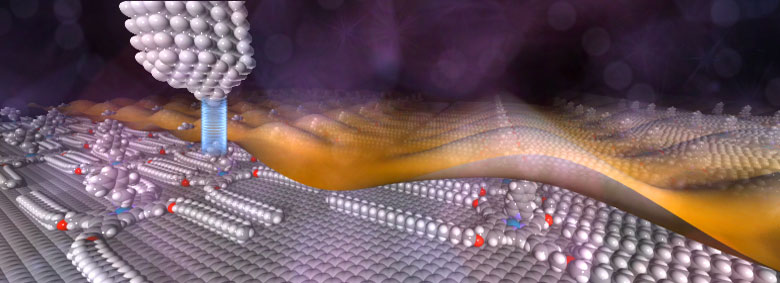
Image courtesy of Kenji Matsuda, University of Kyoto

Join us Wednesday, February 20th, 6:30pm for a Science Cafe talk by Dr. Amar Flood, on Molecular Machines.

Molecular machines were the basis for the Nobel Prize in Chemistry 2016 for “the design and synthesis of molecular motors”.   What are molecular machines, how are they made and how are their small molecule-scale movements the same and different from the machines in the world around us?

This Science Cafe will be at The Roost (formerly Finch’s), upstairs, at 514 E Kirkwood Ave

July 25: Superbugs and Superdrugs


Antibiotic resistance is a major concern in the medical community, as the well-publicized “superbugs” appear to be staying well ahead of our current antibiotic armamentarium. However, a few new antibacterial drugs have recently been approved by the FDA. Come to hear what we now are able to treat, and what still remains untreatable in the infectious disease arena.

Dr. Karen Bush will talk about this important work.

January 31, 2018: CBD – ‘Wonder drug’ or just ‘I wonder?’ drug?

Cannabidiol (aka CBD) is a compound isolated from Cannabis that has found a recent celebrity as a Cannabis-derived therapeutic.  What is CBD and is it the “cure-all” that many websites and articles suggest?  Come with curiosity and questions and we will work through some of what we know and what we don’t yet know about this interesting cannabinoid.
Join us for this talk by Neurobiochemist Heather Bradshaw, PhD.

We’ll be in the back room of Bears Place (1316 E 3rd St) at 6:30 pm. As always, Bloomington Science Cafe is free and open to anyone (over 21)!