Dark matter is one of the great mysteries in modern physics and cosmology. While the Standard Model describes the fundamental constituents of matter and their interactions, visible matter appears to account for only a small fraction of the Universe.
Join Sowmaydeep Dwivedi for a review of the discoveries that led us to our current understanding and current thinking about dark matter.
How is quantum mechanics relevant for how birds migrate, or the color of their feathers? To the color of blood and precious gems? And how does quantum mechanics lead to materials properties – which define the ages of history, from the stone age to the current silicon age that describes our microelectronics?
Join Alex Georgescu, a theoretical physicist/materials scientist/chemist from IU Chemistry to learn more.
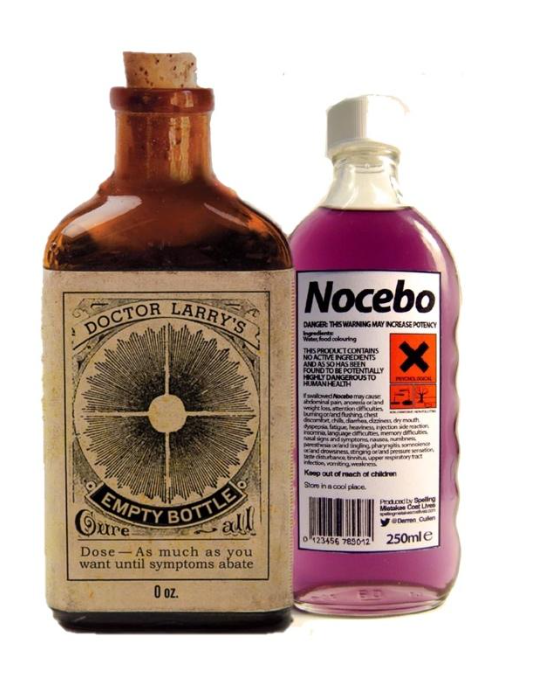
We’ve all heard of the placebo effect. Some conditions such as depression have a strikingly high placebo rate (30-50%), raising the bar for therapies. But what is it? Is there a physiological basis? Can we bottle it? Oh wait, someone has…
Join Alex Straiker (senior research scientist at the Gill Institute for Neuroscience) for a visit to the brave new world of the placebo, the nocebo and the zeebo.
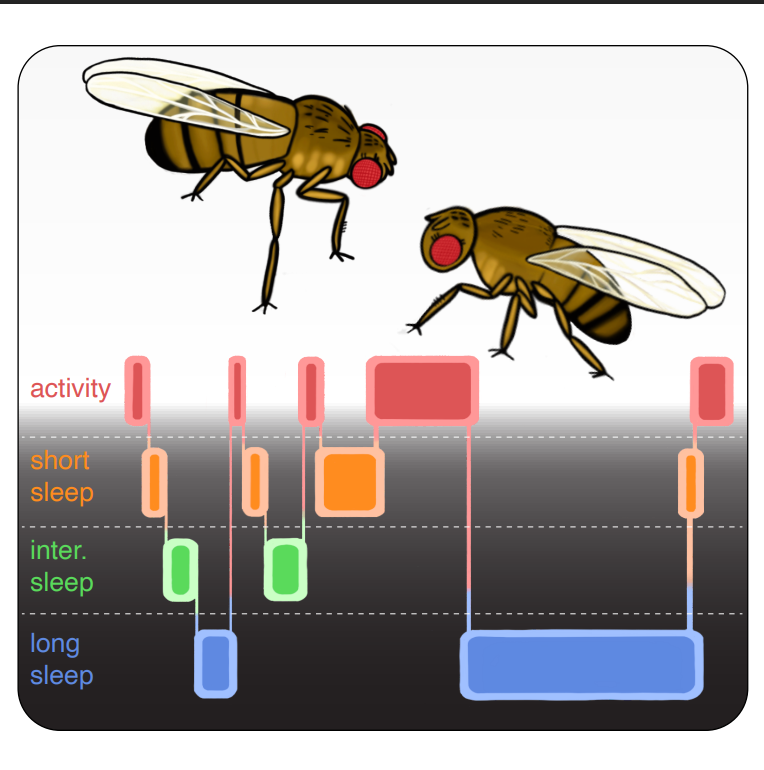
With every rotation of the earth, we cycle from the “unrecorded fantasies of solitary dreaming, to the collective fantasy of daily social and commercial life.”
What determines when and how much we sleep? How does light influence sleep timing and levels?
Join us as we talk about how tiny insects help us answer these questions.
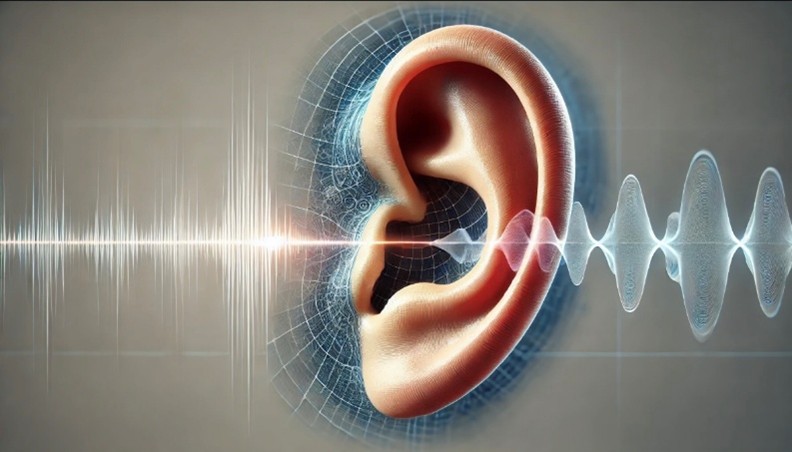
What’s that sound?? Tinnitus has a (not so) nice ring to it
with Travis Riffle, AuD, PhD, CCC-A
Tinnitus, or ringing in the ears, is the phantom perception of sound that cannot be attributed to any external or environmental source. It’s a phenomenon that has frustrated us for thousands of years, and still continues to affect millions of people today. But what is tinnitus? Why is it so annoying, and why haven’t we cured it yet? Join us as we discuss the (proposed) underlying mechanisms, what research has (and hasn’t) figured out, and some interesting ways that we (try to) treat it.
Acetaminophen (known under its brand name Tylenol) is one of the world’s most common medicines used daily to treat pain and fever. But how much do we really know about it? From its 19th-century discovery to the infamous 1982 Tylenol murders, acetaminophen has a fascinating story that blends science, history, ethics and public health.
Join us as we explore its mysterious biology, its benefits and risks, the medical dilemmas it raises, and its impact on medicine, regulation and society.
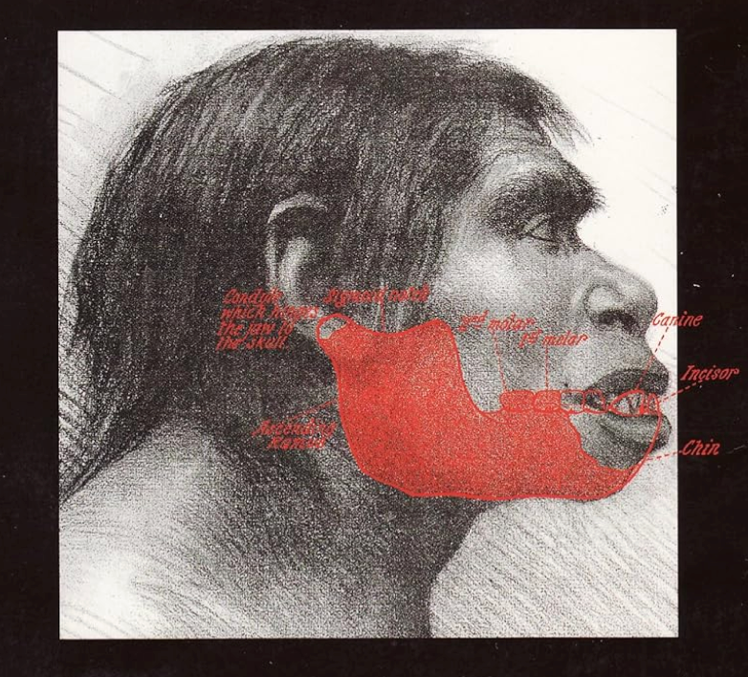
The “Science Fraud of the Century” – Lessons from Piltdown for today.
With the Great War on the horizon, a group of British paleontologists unveiled their answer to Heidelberg man: Piltdown Man, the “first Englishman”. It would take a full 40 years to unravel the “science fraud of the century”. Diligent work since then has given us a much clearer picture of how, and by whom, the hoax was accomplished. Piltdown is now held up as an example of the self-correcting nature of science, or, by some, as evidence of the gullibility of scientists. We are entering a new age that furnishes would-be swindlers with sophisticated tools to falsify scientific results.
Join Alex Straiker in a conversation about the hoax from a history of science perspective, and what we might learn from it about the conduct of science in the 21 st century.
Come learn about the varied roles of carbohydrates (from apple cider to blood typing to microbiome modulator) and find out how Professor Nicola Pohl’s lab at IU is working to expand our knowledge by creating automated ways to assemble and analyze complex sugars..
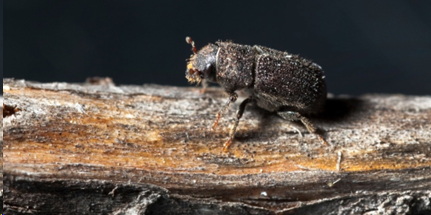
One out of four animal species on earth is a beetle. Why are there so many species of beetle?
In this talk, Ryan Bracewell will explain how tiny tree killing beetles are helping us understand the forces that drive species diversity by describing how sex chromosomes and bizarre beetle/fungus partnerships aid in the process of diversification.