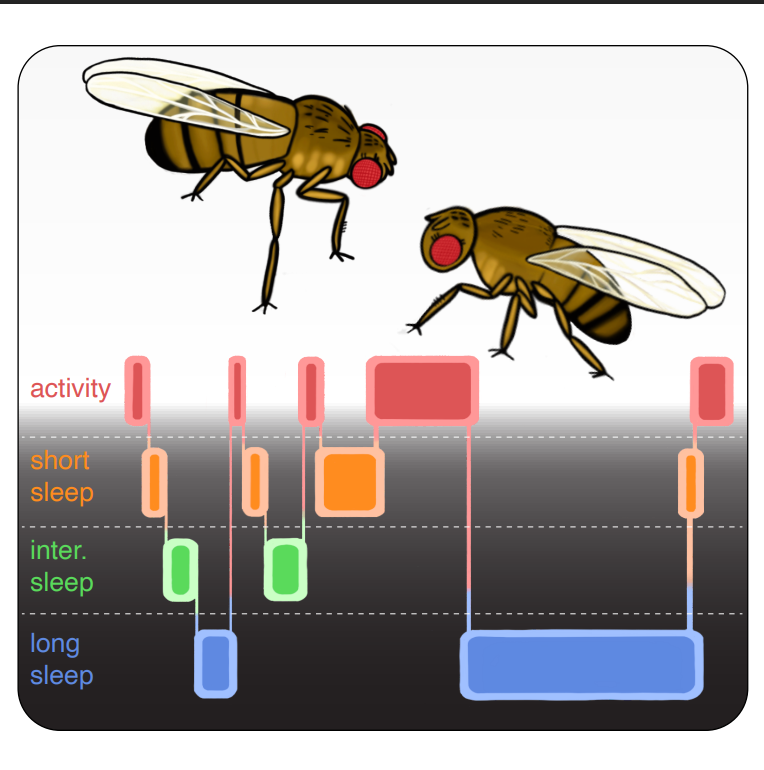
With every rotation of the earth, we cycle from the “unrecorded fantasies of solitary dreaming, to the collective fantasy of daily social and commercial life.”
What determines when and how much we sleep? How does light influence sleep timing and levels?
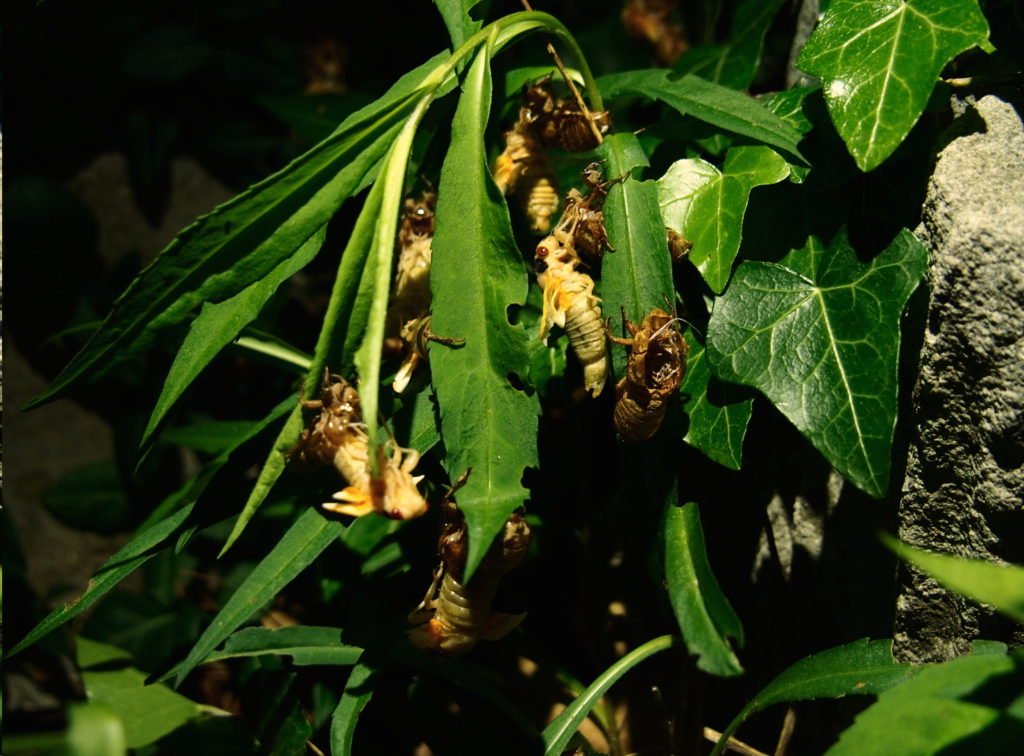
Join us as we talk about how tiny insects help us answer these questions.
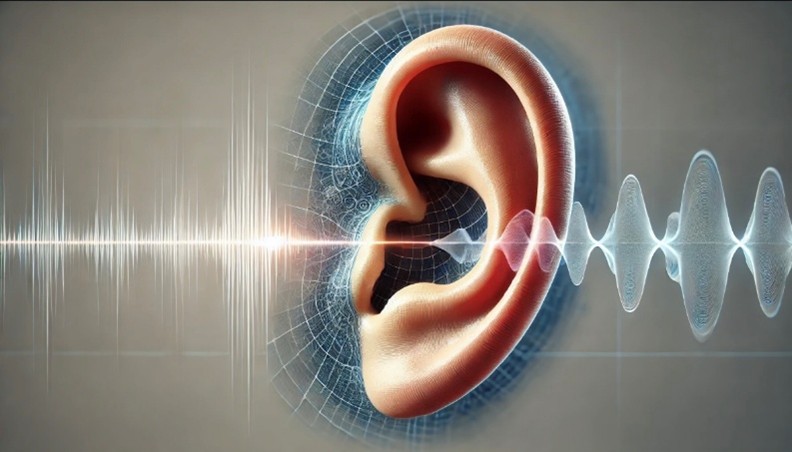
What’s that sound?? Tinnitus has a (not so) nice ring to it
with Travis Riffle, AuD, PhD, CCC-A
Tinnitus, or ringing in the ears, is the phantom perception of sound that cannot be attributed to any external or environmental source. It’s a phenomenon that has frustrated us for thousands of years, and still continues to affect millions of people today. But what is tinnitus? Why is it so annoying, and why haven’t we cured it yet? Join us as we discuss the (proposed) underlying mechanisms, what research has (and hasn’t) figured out, and some interesting ways that we (try to) treat it.
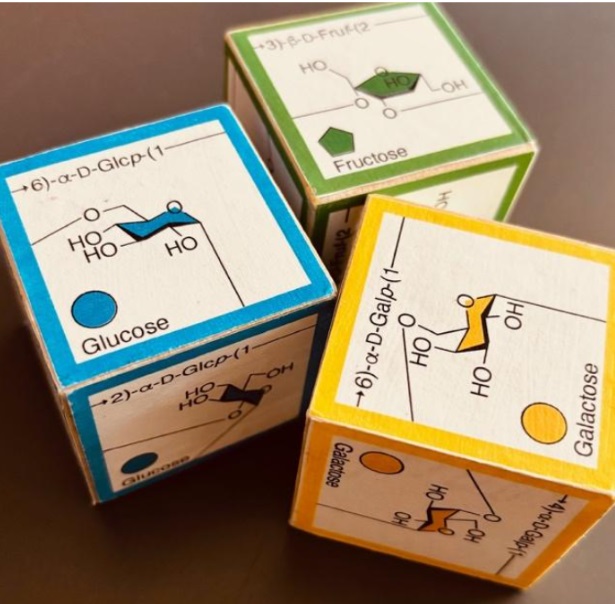
Come learn about the varied roles of carbohydrates (from apple cider to blood typing to microbiome modulator) and find out how Professor Nicola Pohl’s lab at IU is working to expand our knowledge by creating automated ways to assemble and analyze complex sugars..
The asymmetry of matter and antimatter is one of the greatest puzzles in physics. All particles have antimatter versions that are nearly identical, but with mirrored properties such as the opposite electric charge. When an antimatter and a matter particle meet, they annihilate in a flash of energy.
If antimatter and matter are mirrored copies of each other, they should have been produced in equal amounts in the Big Bang. But today there’s nearly no antimatter left in the universe. We only see it in some radioactive decays and a fraction of cosmic rays. So what happened to it?
Dr. Mike Snow, IU professor of physics will talk about this mystery.
Researcher: Maggie (Margaret) Thompson.SOFIA: Stratospheric Observatory for Infrared Astronomy
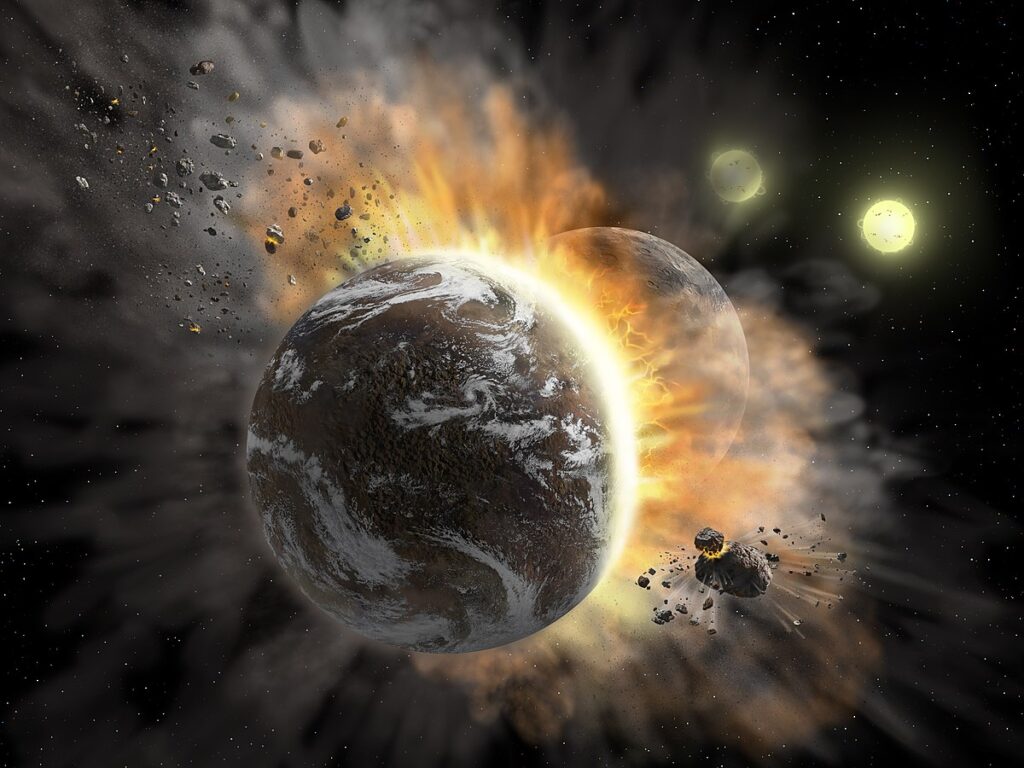
The universe is a dynamic environment where collisions and close encounters play a significant role. For instance, we will take a closer look at collisions responsible for the birth of our planet Earth and life itself, but also those that nearly destroyed it. Is our Solar system safe? Are there any hidden dangers we can expect in the future? Let’s find out.
Science Café is happening on Aug 10 at 6PM at Hopscotch.
Dr. Chanh Kieu, Associate Professor at IU’s Department of Earth and Atmospheric Sciences will discuss broadly how hurricanes and climate are related. He will also talk about a way by which hurricanes can be used to diagnose future climate changes, along with potential uncertainties and challenges of this approach.
We will restart Science Café monthly (mostly) on Wednesdays starting at 6 at Hopscotch on Dodds & Morton.
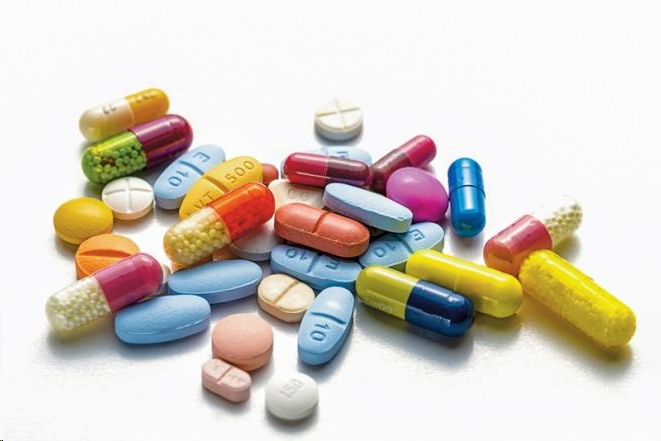
Many drugs are available to treat schizophrenia, depression, and anxiety, but the drugs are far from effective. And after more than 70 years of searching for effective drug therapies, we still have little insight into the underlying mechanisms of mental illness. The trouble lies, at least in part, in how the drugs were developed and how modern medicine operates.
George Rebec is Chancellor’s Professor Emeritus, Psychological and Brain Sciences
“How Structure Biology Aids to Visualize the Molecules of Life”
Have you ever wondered what makes our planet look green from space? Have you ever wondered how our cells generate the power we need to function and live? Have you ever wondered how our cells communicate with the outside world? Have you ever wondered what is responsible for how we experience ourselves and the world around us?
Join Dr Susanne Ressl on a fascinating journey through highlights from structure biology and how this particular field helped to understand how molecular machines (proteins) work.
Several things to note: 1) We’re starting at 7pm 2) We’re on the 3rd Wednesday 3) We’re at Hopscotch on Morton & Dodds 4) Hopscotch doesn’t have much food, which is why we’re beginning at 7pm (They do have great coffee, tea, beer, and pastries all the time.)